
 English
 German
 French
 Russian
 Spanish
 Japanese
 Korean
 Portuguese
 Ukrainian
 Arabic
 Italian
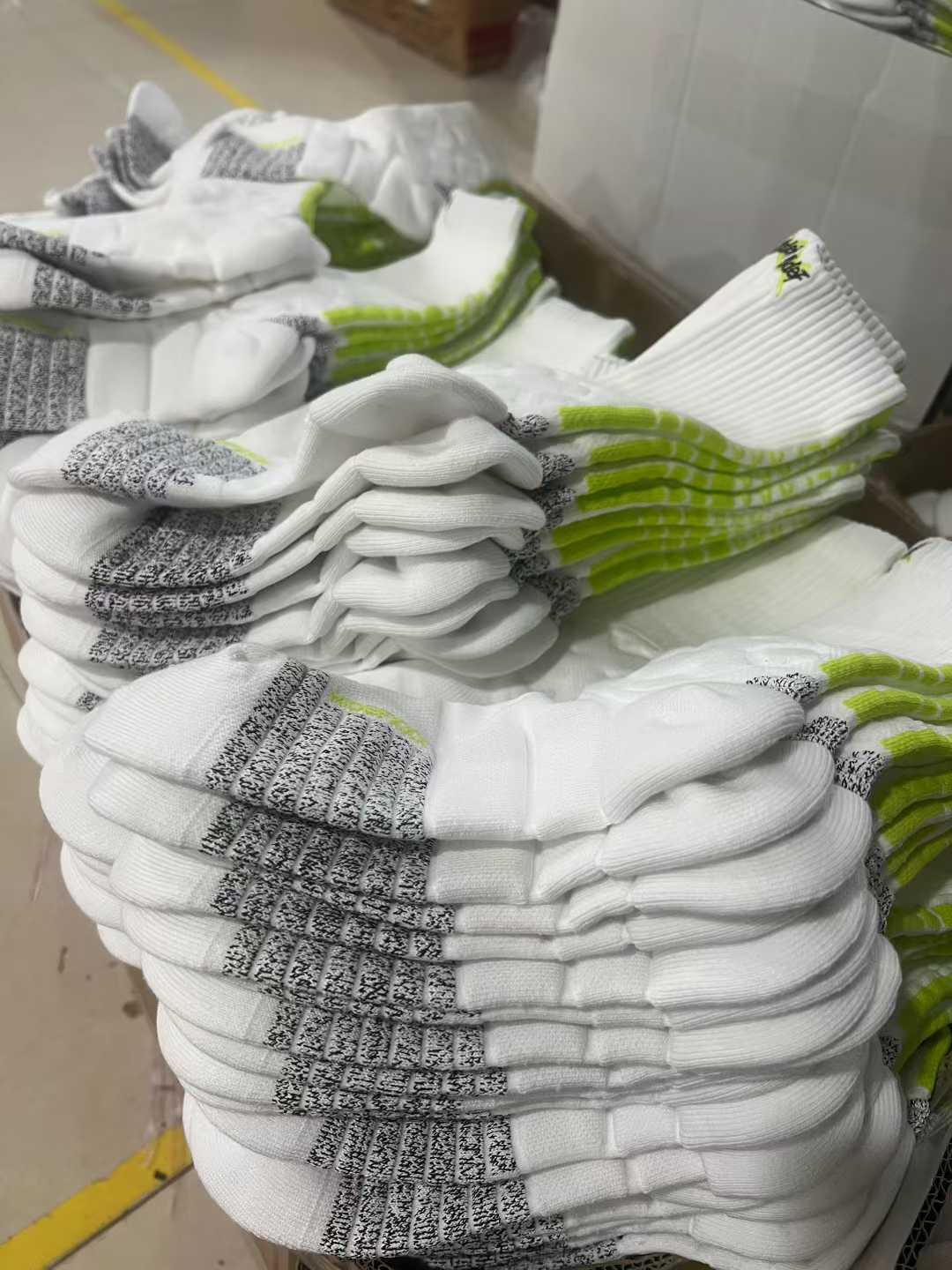
Anti-Slip Is Not Just About Friction—It Is About Structural Stability
In endurance sports,the goal of anti-slip technology is not simply to "increase stickiness." Instead,it aims to:
• Reduce micro-movement between foot and sock
• Improve stability between sock and insole
• Support blister prevention during prolonged friction
• Enhance energy transfer efficiency
Traditional grip socks rely on external silicone printing.While effective initially,this approach is a surface-level solution.
Structural anti-slip integration,by contrast,embeds grip performance into the fabric during knitting.The result is greater durability,better comfort,and long-term reliability.
What Is Structural Anti-Slip Yarn?
Structural anti-slip yarn is a specialized yarn engineered to deliver higher friction and resilience as part of the fabric itself.
Typical components may include:
• High-friction synthetic fibers
• Elastic fibers such as spandex or elastane
• Wear-resistant nylon for abrasion resistance
Unlike cotton or standard polyester yarns,anti-slip yarn is designed for enhanced surface grip and fatigue resistance under repeated stretching.
How Anti-Slip Yarn Is Integrated into Sock Fabric
1.Zonal Knitting Strategy
In advanced sock fabric integration,anti-slip yarn is not distributed across the entire sock.Instead,it is strategically placed in key functional areas:
• Arch support zone
• Heel lock zone
• Forefoot propulsion zone
Using plating and zonal knitting techniques,the anti-slip yarn is interwoven with the main yarn during production.This ensures the grip function becomes part of the sock's structural framework.
This approach allows for:
• Stable anti-slip performance after repeated washing
• No added bulk or stiffness
• Maintained breathability
• Long-term durability
This is what defines structural anti-slip technology.
2.Integration with Cushioning and Compression
The most advanced performance socks combine anti-slip yarn with functional structures such as:
• Heel cushioning for impact absorption
• Forefoot cushioning for pressure distribution
• Arch compression zones for midfoot stability
Rather than functioning independently,these systems work together.Grip,cushioning,compression,and moisture control form an integrated performance architecture.
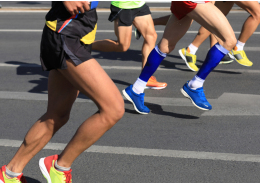
For marathon running socks,this integration is especially important.Over long distances,even small internal slippage can lead to friction buildup and blister formation.
Structural Anti-Slip vs.Silicone Grip: Why It Matters
From a manufacturing and product positioning perspective,structural integration offers clear advantages over traditional coating methods.
Greater Durability
Surface silicone may crack or peel after repeated washing.Structural anti-slip yarn is knitted into the fabric,eliminating the risk of detachment.
Reduced Weight
No additional coating layers are required,keeping the sock lightweight—an essential feature for endurance sports.
Improved Comfort
Grip performance comes from yarn and fabric structure,not external adhesive materials,avoiding stiffness or pressure points.
Professional Performance Positioning
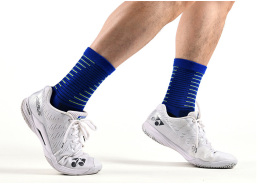
Structural anti-slip is better suited for high-intensity applications such as marathon running socks,football grip socks,and advanced training socks.
Application in Marathon Running Socks
In long-distance running,the most common issues include:
• Forefoot friction
• Heel instability
• Blister formation
• Loss of energy transfer efficiency
By integrating anti-slip yarn from heel to toe within cushioning zones,brands can significantly enhance performance consistency.
Grip socks designed with structural anti-slip technology contribute to:
• Better in-shoe stability
• Reduced skin irritation
• Enhanced impact absorption
• Improved long-distance comfort
For elite and serious runners,these benefits directly affect race outcomes and training durability.
Manufacturing-Level Value for Brands and Distributors
For B2B buyers and sports brands,structural anti-slip integration offers strategic advantages:
• Stronger technical differentiation
• Higher perceived product value
• Reduced after-sales complaints related to slipping or peeling
• Greater repeat purchase potential
• Premium positioning in the performance sports segment
The market is moving beyond "how much silicone is applied" toward "how well the sock is engineered."
High-performance socks are no longer about surface treatments—they are about structural design.
Custom Structural Anti-Slip Socks with Feelingwaysox
At Feelingwaysox,we specialize in advanced performance sports socks featuring structural anti-slip yarn integration.
We provide:
• Custom marathon running socks with embedded grip technology
• Zonal heel cushioning and forefoot cushioning systems
• Blister prevention engineering for endurance applications
• Arch support and compression structures
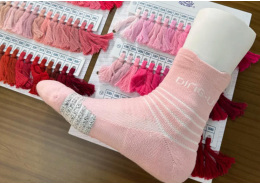
• OEM and private-label manufacturing solutions
As an experienced socks supplier,we help brands translate performance concepts into scalable production with reliable quality control.
If you are developing next-generation grip socks or upgrading your running sock collection,structural integration should be your starting point.
Partner with Feelingwaysox to create custom performance socks engineered from the yarn up—not coated after production.