
 English
 German
 French
 Russian
 Spanish
 Japanese
 Korean
 Portuguese
 Ukrainian
 Arabic
 Italian
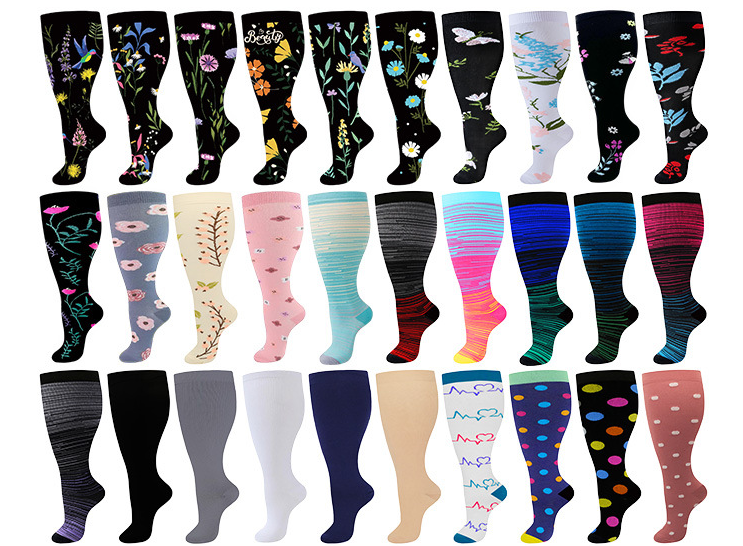
What Are Diabetic Socks?
Diabetic socks are specially designed for people with diabetes or circulation issues.Their purpose is not treatment but protection.Key features usually include:
• Seamless design to prevent friction and blisters.
• Non-binding cuffs that don't cut off circulation.
• Moisture-wicking fibers to keep feet dry and reduce bacterial growth.
• Extra cushioning to protect pressure points.
• Light colors to make it easier to spot wounds or infections.
Important: Diabetic socks are not compression socks.Compression socks are sometimes useful,but they should only be worn under medical guidance.
In short,diabetic socks act like a protective shield,not a medical treatment.
Why Doctors Don't Always Recommend Them
If diabetic socks are so helpful,why don't doctors push them harder?There are a few reasons:
• Unclear effectiveness: They can reduce friction and moisture,but they don't heal nerve damage or improve circulation.
• False sense of security: Patients may rely on socks alone and skip essential foot care like daily checks and proper nail care.
• Individual differences: Every patient's condition is different,so one type of sock doesn't fit all.
• Marketing concerns: Some brands exaggerate benefits,and doctors avoid endorsing products that might overpromise.
Myths vs.Reality
You've probably seen claims like:
• "These socks prevent foot ulcers."
• "Special fibers improve blood flow."
• "Smart socks detect early signs of injury."
The truth?Most of these claims are exaggerated.While socks can help reduce risks,they cannot replace proper medical care.Smart sock technology is still experimental and not widely available
How to Choose the Right Diabetic Socks
If you're buying diabetic socks,here's what to look for:
• Materials: Moisture-wicking,breathable,and antibacterial fibers (like bamboo,modal,or silver-treated yarns).
• Seamless design: No rough stitching that could rub against the skin.
• Non-binding cuffs: Secure but not tight.
• Proper fit: Loose socks can wrinkle and cause friction; tight ones can restrict blood flow.
• Durability: Washable and designed to hold up over time.
• Certifications: FDA approval or endorsement by medical associations adds reliability.
The safest marketing and buying approach is to see them as supportive protection,not a cure.
The Bigger Picture: Comprehensive Foot Care
Even the best diabetic socks can't do the job alone.True foot safety comes from a full care routine:
• Keep blood sugar under control.
• Inspect feet daily for cuts,blisters,or swelling.
• Wear proper shoes with supportive insoles.
• Treat even small wounds immediately.
• Stay active to support circulation.
• Manage other health risks like high blood pressure or smoking.
Diabetic socks are one piece of the puzzle,not the whole solution.
So,should you buy diabetic socks?Yes—but with realistic expectations.They are a valuable tool for reducing friction,keeping feet dry,and adding comfort.But they won't replace medical care or daily foot monitoring.Use them as part of your overall foot care strategy,not as a quick fix.
Customize Your Diabetic Socks Today – combine comfort,function,and safety in every step.