
 English
 German
 French
 Russian
 Spanish
 Japanese
 Korean
 Portuguese
 Ukrainian
 Arabic
 Italian
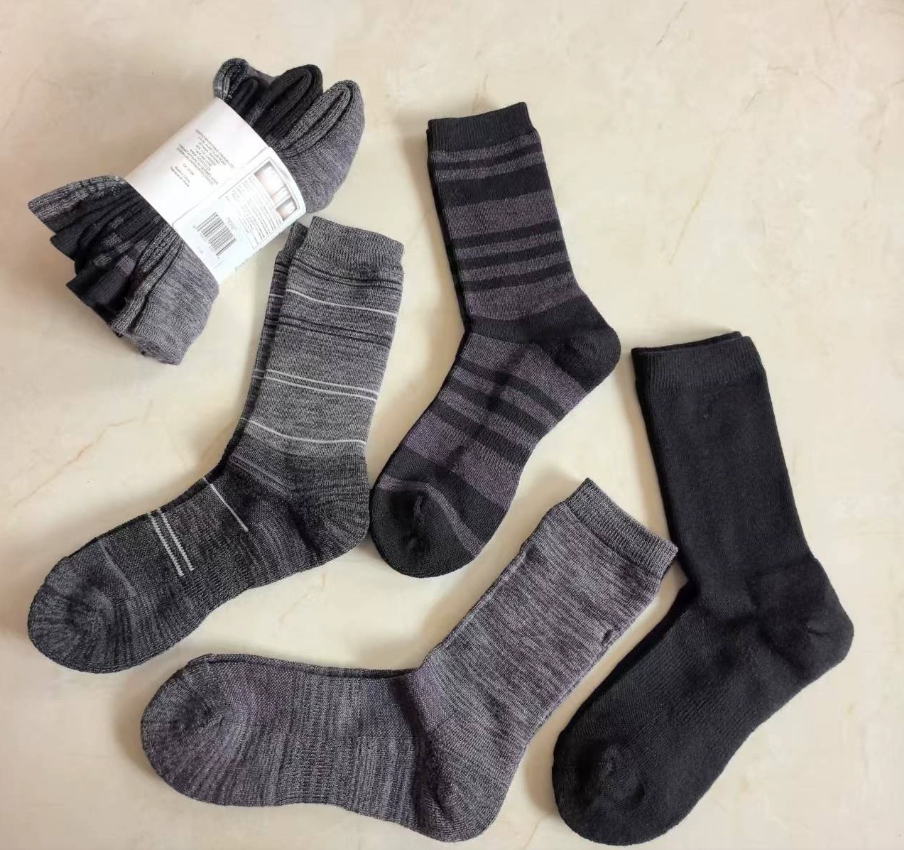
The Science Behind Alpaca Wool Warmth
The key to alpaca wool warmth lies in its unique fiber structure.
Unlike traditional wool,alpaca fibers feature a semi-hollow core,which creates microscopic air pockets.
These air pockets:
• Trap heat efficiently
• Reduce heat loss
• Improve overall insulation performance
Since air is a natural insulator,this structure gives alpaca a major advantage in alpaca fiber insulation.
Higher Warmth-to-Weight Ratio
The real advantage of alpaca is not just warmth—it's efficiency.
Compared to traditional wool:
• Same warmth,less weight
• Better flexibility
• Reduced layering needs
This makes alpaca one of the most effective lightweight warm materials available today.
For brands,this means products that are:
• Easier to wear for long periods
• More suitable for layering systems
• Better aligned with modern performance expectations
Alpaca vs Sheep Wool: What's the Difference?
When comparing alpaca vs sheep wool,the difference is clear:
• Alpaca fibers retain more air→better insulation
• Sheep wool tends to be denser→less efficient warmth
• Alpaca offers a softer and lighter feel
From a product development perspective:
alpaca wool benefits go beyond comfort—they improve functional performance.
Alpaca Wool vs Merino Wool
Another common comparison is alpaca wool vs merino wool.
Merino wool is known for softness and moisture control,but alpaca offers:
• Higher thermal efficiency
• Better warmth retention in cold conditions
• Lower weight for similar insulation
For high-performance winter products,alpaca is increasingly used as an upgrade material.
Breathability and Temperature Regulation
One common misconception is:
"Warmer materials are less breathable."
Alpaca proves the opposite.
Its structure allows:
• Air circulation
• Heat regulation
• Reduced overheating
This makes alpaca a truly breathable warm fabric.
In real use,this means:
• Warm when it's cold
• Comfortable during activity
• Less temperature fluctuation
Moisture Management and Thermal Stability
Staying warm is not just about insulation—it's about staying dry.
Moisture wicking alpaca wool helps:
• Move sweat away from the skin
• Keep fibers dry
• Maintain consistent warmth
Because:
Moisture = heat loss
By managing moisture effectively,alpaca improves overall thermal performance alpaca materials are known for.
Why Alpaca Wool Feels Warm Without Bulk
The secret behind "thin but warm" is structural efficiency.
Alpaca achieves this through:
• Hollow fiber structure→better insulation
• Lightweight composition→less bulk
• Moisture control→stable warmth
This combination allows brands to create products that are:
• Thinner
• Lighter
• More functional
Instead of adding layers,alpaca makes each layer perform better.
What This Means for B2B Buyers
For brands,retailers,and product developers,alpaca wool represents a clear opportunity:
• Premium positioning with functional benefits
• Differentiation in a competitive market
• Alignment with consumer demand for lightweight performance
Products made with alpaca are especially suitable for:
• Outdoor socks
• Winter sportswear
• Base layers and thermal systems
Final Thoughts
Alpaca wool is not just another natural fiber.
It represents a shift in how insulation is designed.
Instead of "more material = more warmth,"
the new logic is:
better structure = better performance
Develop Your Custom Alpaca Wool Socks with Feelingwaysox
At Feelingwaysox,we specialize in high-performance sock development,including:
• Alpaca wool socks with advanced insulation
• Lightweight,breathable warm fabric solutions
• Moisture-wicking and thermal performance designs
• Full OEM & private label customization
We help brands turn innovative materials like alpaca into market-ready,high-value products.
Contact Feelingwaysox today to develop your next line of custom alpaca wool socks.