
 English
 German
 French
 Russian
 Spanish
 Japanese
 Korean
 Portuguese
 Ukrainian
 Arabic
 Italian
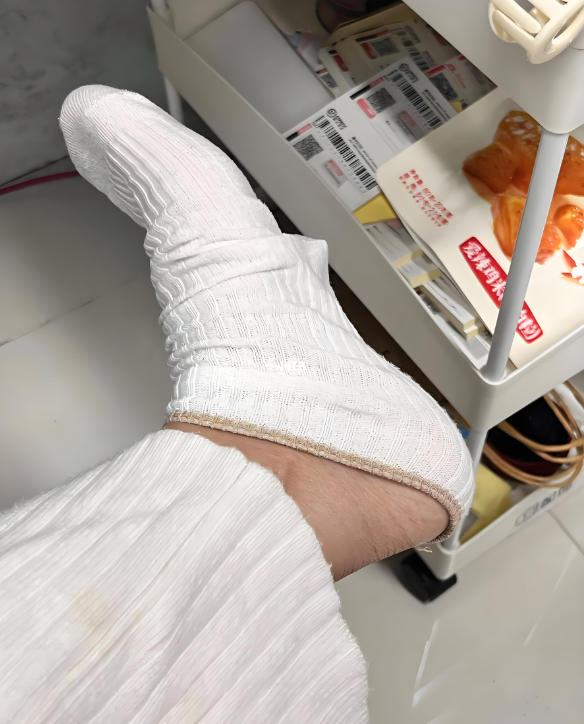
1.Sock Sizing: The Most Common Culprit
Improper sock sizing is often the root of the issue.
Too large → The sock lacks grip and moves around
Too small → Cuts circulation and slips due to poor placement
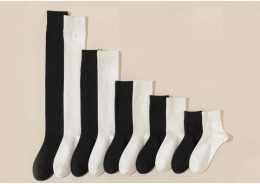
Even a slight size mismatch can make one sock feel secure and the other unstable.Always ensure your socks match your foot size—not just your shoe size.
✅ Slipping sock solution: Choose socks that contour to your feet and offer appropriate compression in the arch and ankle areas.
2.Natural Foot Asymmetry: Not All Feet Are the Same
Believe it or not,most people have one foot slightly larger or differently shaped than the other.This asymmetry affects sock rotation and fit.
For example:
A slightly higher arch
One ankle narrower than the other
Pronated walking on one foot
All of these can cause one sock slipping more than the other—especially with thin or low-elasticity socks.
✅ Pro tip: Look for socks with adaptive stretch or spandex-blend cuffs that adjust to your unique foot shape.
3.Sock Materials and Construction
Ask yourself: Why does my sock slip down even when it fits?
Chances are,it's the fabric or structure.Here's how materials play a role:
Material | Sock Slipping Risk |
100% cotton | Moderate – loses shape after wear |
Silk or wool blends | High – smooth surface lacks grip |
Nylon/spandex mix | Low – maintains elasticity and structure |
Socks with poor elasticity lose their grip over time.If the cuff isn't reinforced or the ankle band is weak,socks are likely to slide with every step.
✅ Choose high-quality socks with structured heels,ribbed cuffs,and elastic bands for better hold.
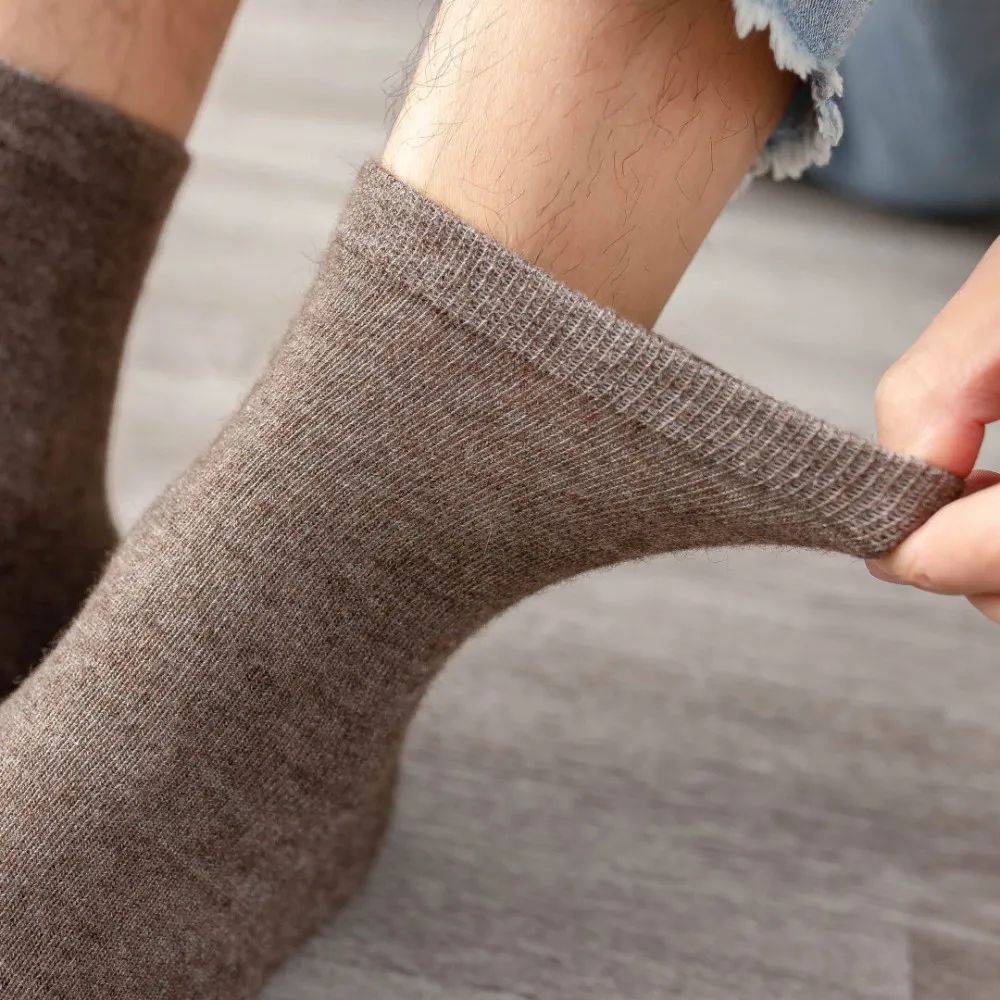
4.Movement + Footwear = Friction
Daily motion like walking,running,or shifting weight can cause socks to slip—especially if:
You're wearing shoes that don't snugly hold the heel
You don't adjust your socks properly when dressing
You're engaging in high-friction activities with casual socks
Loose-fitting shoes and worn-out insoles amplify the problem.
✅ Always pair sock type with shoe type—and make sure to adjust your sock fit before slipping into shoes.
5.Aging Socks Lose Grip
Elastic materials degrade over time.Even your favorite pair of socks will eventually stretch out or weaken at the cuff.
Signs your socks need replacing:
Frequent slipping or rotation
Loose ankles or stretched heel cups
Visible thinning or pilling
✅ Replace your socks regularly,especially if you wear them for sport,work,or walking daily.
Final Tips: How to Prevent Socks from Slipping
✅ Check your sock sizing carefully
✅ Choose high-quality,elastic materials
✅ Avoid slippery blends unless reinforced
✅ Match sock height and type to your activity
✅ Pay attention when putting socks and shoes on
Customize Socks That Stay Put—With Feelingwaysox
At Feelingwaysox,we understand that sock comfort isn't just about aesthetics—it's about performance.Our custom socks are designed with reinforced cuffs,ergonomic shaping,and adaptive elasticity to stay in place no matter how you move.
Whether you're creating socks for retail,teams,or everyday wear,we'll help you design the perfect fit.