
 English
 German
 French
 Russian
 Spanish
 Japanese
 Korean
 Portuguese
 Ukrainian
 Arabic
 Italian
Successful Case Studies of Private Label Sock Brand Development
The private label sock market has been growing steadily over the years, giving rise to numerous success stories. Companies like FeelingWaySox have demonstrated the potential of private label sock branding and offer inspiring examples of how focusing on quality, customer experience, and strategic marketing can lead to success.
Case Study 1: Building a Unique Brand Identity
One of the main factors contributing to FeelingWaySox’s success has been their unique ability to create a brand identity that resonates with their target audience. By focusing on high-quality materials and eco-friendly production processes, they have developed a reputation for producing comfortable, stylish, and sustainable socks.
In addition, their attention to branding—including attractive packaging and a strong online presence—has helped them distinguish their brand in a crowded marketplace. Collaborating with like-minded influencers has further amplified their brand story and solidified their identity.
Case Study 2: Focusing on Customization
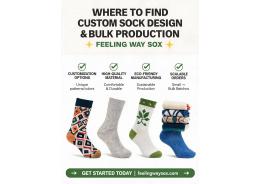
Another example of their success lies in the ability to offer a comprehensive customization service to clients. FeelingWaySox allows businesses to create their own private label sock brands with tailored designs, colors, and logos. This level of personalization not only appeals to small businesses and entrepreneurs but also helps maintain a long-term relationship with clients.
This strategic approach has allowed the company to serve a diverse range of industries, including athletics, corporate gifting, and fashion, ensuring their sustained growth and presence in niche markets.
Case Study 3: Emphasis on Ethical Manufacturing
FeelingWaySox’s alignment with socially responsible manufacturing practices plays a crucial role in attracting conscious consumers. Their transparent supply chains, fair labor policies, and environmental initiatives have earned the trust of customers who prioritize ethics alongside aesthetics.
By providing transparency into their production practices, they effectively build credibility and establish long-term loyalty among customers, further boosting their brand value.
Conclusion
The success stories of private label sock brands like FeelingWaySox illustrate the importance of honing a strong brand identity, offering personalized services, and prioritizing ethics in manufacturing. Entrepreneurs looking to develop their own sock brands can take valuable lessons from these strategies to carve a niche for themselves in the competitive market.