
 English
 German
 French
 Russian
 Spanish
 Japanese
 Korean
 Portuguese
 Ukrainian
 Arabic
 Italian
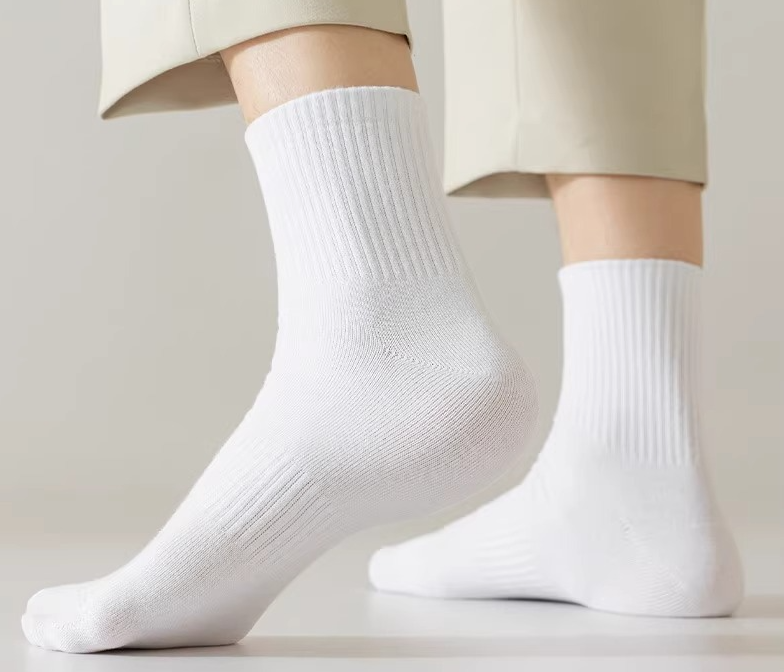
The Advantages of Cotton Socks
Cotton socks have remained popular for good reasons,especially in everyday use and light activity.
1.Soft,skin-friendly comfort
Cotton is a natural fiber known for its softness.Cotton socks feel gentle on the skin and are less likely to cause irritation,making them comfortable for casual wear and low-impact activities such as walking,light stretching,or daily commuting.
2.Good breathability in low-sweat conditions
Cotton fibers allow air to circulate and can absorb some moisture.During short or low-intensity activities,cotton socks can feel cool and comfortable,especially in mild weather.
For daily wear and relaxed movement,cotton socks perform well in terms of comfort.
The Limitations of Cotton Socks in Sports
While cotton feels good initially,it has a major weakness when used for athletic activity: poor moisture management.
1.Absorbs sweat but doesn't dry quickly
Cotton absorbs moisture and holds onto it.Once your feet start sweating,cotton socks become damp and stay wet for a long time.This leads to:
• Increased friction
• Higher blister risk
• A heavy,uncomfortable feeling inside shoes
• Reduced temperature regulation
2.Slow drying during prolonged activity
Unlike performance materials,cotton does not wick moisture away from the skin or evaporate quickly.During long workouts,running,basketball,or outdoor training,wet cotton socks can significantly reduce comfort and performance.
For high-intensity or long-duration sports,this is a clear disadvantage.
Cotton Socks vs Performance Sports Socks
Modern performance socks are usually made from synthetic fibers such as polyester,nylon,and spandex,sometimes blended with natural fibers.
Performance sports socks offer:
• Moisture-wicking to keep feet dry
• Faster drying
• Better fit and elasticity
• Reduced friction and blister prevention
• Targeted cushioning and support
In comparison,cotton socks prioritize comfort over performance and lack advanced sweat management.
In short:
• Cotton socks = comfort first
• Performance socks = sweat control,support,and durability
When Are Cotton Socks Still a Good Choice?
Cotton socks are not "bad"—they're simply designed for different use cases.
Cotton socks work well for:
• Daily wear
• Light exercise or short walks
• Low-sweat environments
• Casual fitness or recovery days
They are not ideal for:
• Running,marathons,or trail running
• Basketball,football,or intense gym training
• Long workouts in hot or humid conditions
• Situations with heavy sweating
Why Performance Socks Are Better for Sports
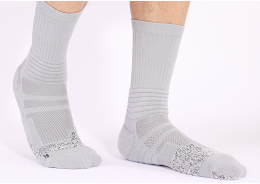
High-quality sports socks are engineered with specific features that cotton socks cannot easily provide,such as:
• Moisture-wicking yarns to pull sweat away from the skin
• Breathable mesh zones for airflow
• Heel and toe reinforcement to reduce wear and blisters
• Arch and ankle support for stability
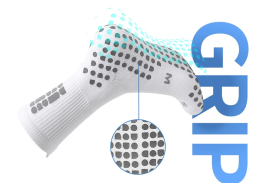
• Anti-slip and compression elements for performance enhancement
These features directly improve comfort,reduce injury risk,and support athletic activity.
Final Verdict: Are Cotton Socks Good for Sports?
Cotton socks are great for comfort,but limited for performance.
Choose cotton socks if you want:
• Softness
• Skin-friendly feel
• Everyday comfort
• Low-intensity activity
Choose performance sports socks if you need:
• Moisture control
• Sweat management
• Blister prevention
• Long-lasting comfort during athletic activity
Understanding the difference helps you protect your feet—and get the most out of every step.