
 English
 German
 French
 Russian
 Spanish
 Japanese
 Korean
 Portuguese
 Ukrainian
 Arabic
 Italian
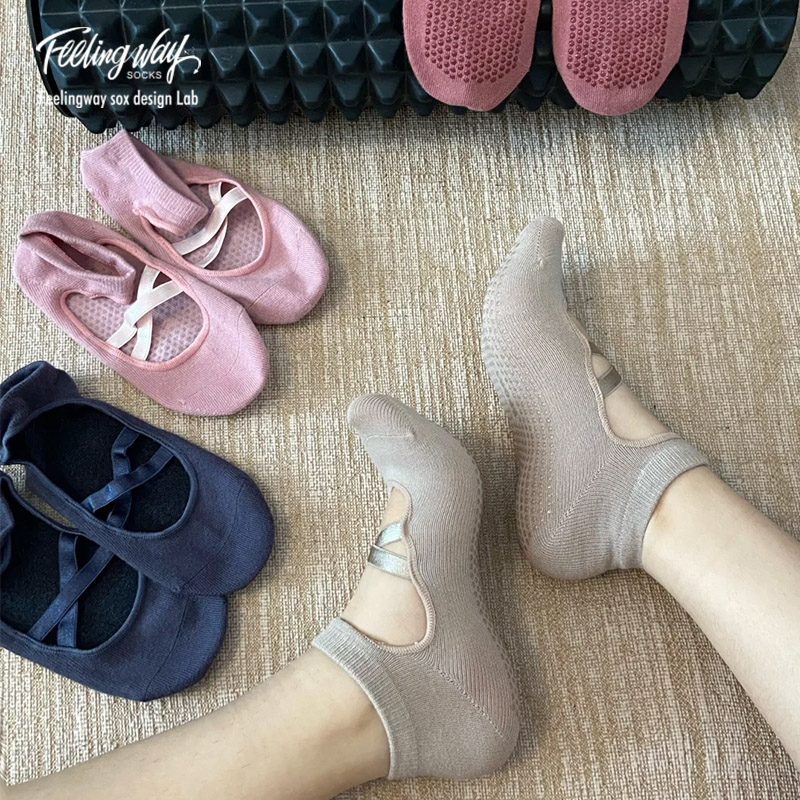
1.Focusing on Style,Not Function
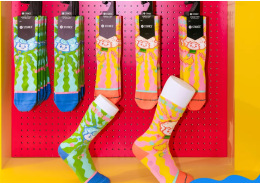
Sure,those flashy socks look cool.But when you're sweating hard,fiber composition and moisture-wicking performance matter more than the logo on the side.
Cheap cotton or low-quality blends trap sweat,leading to friction,odor,and blisters.
Fix it:
Choose socks made with functional fibers like polyester blends,nylon,or spandex,often enhanced with bamboo charcoal or silver ion treatments for odor resistance.Looks are great,but performance lasts longer.
2.Ignoring Heel and Arch Protection
Your heel,toe,and arch take the biggest beating during workouts.If your socks lack cushioning or proper stitching,friction can easily lead to pain or holes.
Fix it:
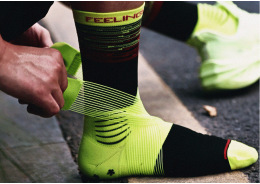
Look for reinforced heels and toes,arch support bands,and smooth,seamless stitching.These features reduce pressure and enhance stability—especially during running,HIIT,or weight training.
3.Wearing Socks That Are Too Tight or Too Loose
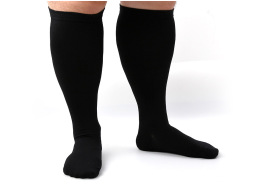
Overly tight socks can restrict blood flow and cause discomfort.Loose ones slide down or bunch up,making every step annoying and unstable.
Fix it:
Go for socks with a snug but flexible cuff.They should stay in place without squeezing your ankles or cutting into your skin.
4.Choosing the Wrong Thickness
Not all workouts—or gyms—are the same.
Thick socks offer better cushioning and warmth,but they can trap heat.Thin ones feel light and breathable,but lack protection for high-impact moves.
Fix it:
• Indoor training or air-conditioned gyms: thin,breathable socks.
• Outdoor or intense workouts: medium thickness with moisture-wicking fabric.
• Winter training or heavy leg days: thicker socks with added cushioning.
The best pair is the one that matches your training environment and intensity.
5.Not Replacing Old Socks
Socks wear out faster than you think.Constant friction,washing,and sweat break down fibers,reducing elasticity and support.
Fix it:
Replace your gym socks every 6–12 months,or sooner if they're stretched out,pilling,or have lingering odor.
Rotate multiple pairs to extend lifespan and reduce bacteria build-up.
Your performance starts from the ground up.
By paying attention to materials,structure,elasticity,thickness,and maintenance,you're not just wearing socks—you're giving your feet the foundation they deserve.
Don't let your socks be the weakest link in your workout.
Train smart.Step strong.Upgrade your gym socks today.