
 English
 German
 French
 Russian
 Spanish
 Japanese
 Korean
 Portuguese
 Ukrainian
 Arabic
 Italian
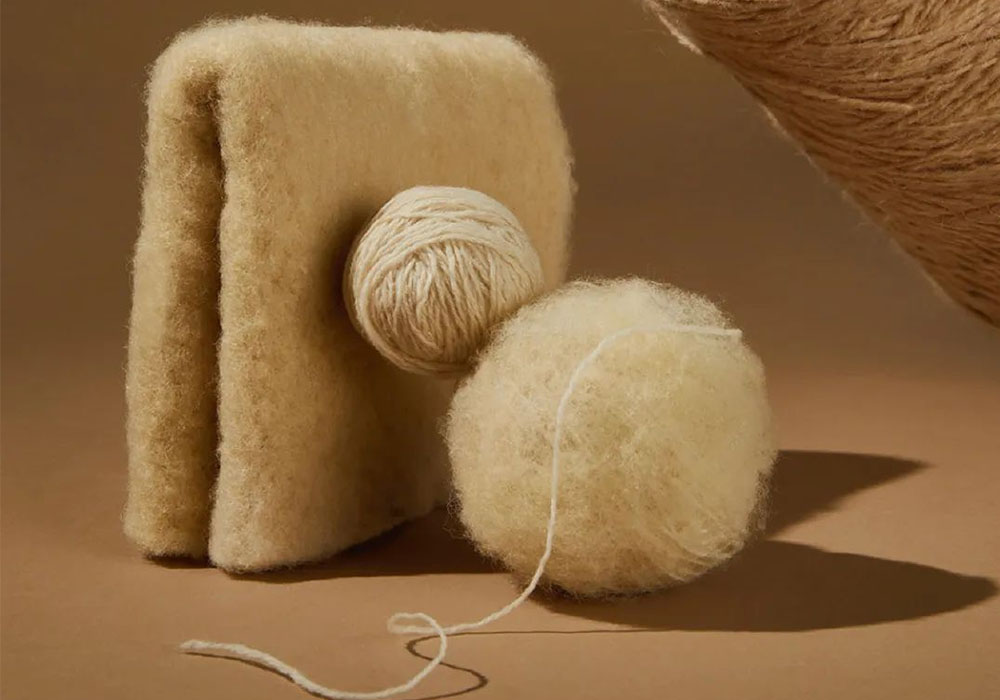
Characteristics of Merino Wool
Merino wool is known for its high-quality fibers and is widely used in a variety of high-end apparel,especially sports and outdoor gear.The fiber of Merino wool is thinner than that of ordinary wool,and it feels softer and less likely to cause skin irritation.Its main advantages include:
1、Strong temperature control: Merino wool can effectively regulate body temperature,warm in winter and cool in summer,so it is often used in thermal underwear and socks.
2、Good breathability: This material can absorb moisture and wrest sweat,keep you dry,especially suitable for exercise and long-term wear.
3、Natural antibacterial: Merino wool naturally has antibacterial function,so it can effectively prevent odor production,even after strenuous exercise,the wearer is not easy to feel discomfort.
However,merino wool also has some disadvantages,especially its relatively poor wear resistance.Although the natural elasticity of wool fibers allows it to regain its shape to some extent,wool is prone to wear under prolonged friction,especially during high-intensity exercise.
Characteristics of Synthetic Blends
Synthetic blends usually refer to fabrics made by mixing synthetic fibers such as polyester and nylon with other natural or synthetic materials.Common synthetic blends include polyester (such as polyester),nylon and spandex,which are widely used in socks,sportswear and outdoor gear.The main characteristics of synthetic blends are:
1、Strong durability: synthetic fibers have stronger wear resistance than natural fibers,and can withstand long-term use without easily breaking.
2、Easy maintenance: Synthetic blends are more durable,do not shrink or deform easily,and are easier to clean.They can usually withstand high temperature cleaning and do not fade easily.
3、Fast drying: Synthetic fibers are less hygroscopic,but they dry very quickly,which makes them particularly suitable for use in sports and outdoor activities,especially in humid environments.
However,synthetic fibers also have certain disadvantages,especially in terms of comfort,synthetic fibers are usually not as breathable and soft as natural materials,and long-term wear may lead to discomfort,especially in high temperature environments.
Durability Comparison
From a durability point of view,synthetic blends generally perform better.Synthetic fibers are extremely resistant to wear and tear,are not susceptible to sweat,ultraviolet light and friction,and are suitable for prolonged wear,especially during high-intensity sports or outdoor activities.
In contrast,the durability of Merino wool is relatively weak,although its natural elasticity can slow wear to a certain extent,but it is still vulnerable to physical friction and time,especially in frequent cleaning or high intensity use,wool socks may appear pilling,wear and even crack.
Applicable Scenarios
Merino wool: Suitable for situations that require temperature control and comfort,such as long-wear underwear,socks and gentle sports.It is more suitable for mild environments and is not suitable for long-term wear under strong friction.
Synthetic blends: Suitable for environments that require high strength durability and rapid drying,especially during intense exercise or extreme weather conditions.It is undoubtedly superior in durability and suitable for sports equipment exposed to outdoor environments for a long time.
If your main needs are long-term durability and wear resistance,synthetic blends are obviously a better choice.It is suitable for use in high-intensity sports,outdoor activities and extreme environments.
But if comfort,temperature control and breathability are more important to you,and the use case is more gentle,merino wool may be a better choice.It is suitable for daily wear,light exercise and warm and cold environment.
Ultimately,which material to choose depends on your specific needs.Whether it is the pursuit of extreme comfort or durability,each has its own unique advantages,understanding their needs to make a choice,in order to enjoy a high-quality wearing experience,but also to ensure the long-term use.