
 English
 German
 French
 Russian
 Spanish
 Japanese
 Korean
 Portuguese
 Ukrainian
 Arabic
 Italian
Introduction: Hiking socks made from cotton, nylon, and polyester blends offer durable, breathable comfort that reduces blisters and fatigue, supporting diverse outdoor activities with extended lifespan.
A weekend morning trail run brings all senses alive—the crunch beneath feet, the sharp air filling lungs, and the steady grip of reliable socks cushioning every step. For outdoor enthusiasts, the choice of socks can significantly influence comfort and endurance during strenuous activities. Custom wool socks and custom knit socks crafted from cotton and nylon blends respond precisely to this need, marrying softness and durability. These socks serve as a quiet companion, adapting to rough terrain while ensuring the feet remain dry and protected without sacrificing flexibility or breathability.
The blend of cotton, nylon, and polyester enhancing hiking sock durability
The careful combination of cotton, nylon, and polyester in hiking socks contributes heavily to both durability and comfort. Cotton offers a natural breathability and softness that is much appreciated during long hours on the trail, keeping moisture at bay and maintaining foot freshness. Nylon introduces essential strength and elasticity, ensuring the sock keeps its shape and withstands repeated abrasion from frequent outdoor use. Polyester works well alongside, providing moisture-wicking benefits and quick drying to complement the other fibers. This synergy means that custom wool socks and custom knit socks made from these materials offer a balance of resilience and comfort often absent from single-material options. Walkers, runners, and fitness buffs find that socks with these blends protect against blisters, reduce fatigue through improved cushioning, and consistently support various weather conditions. The combination enables an extended lifespan for the socks, making them a practical choice for those who demand both performance and comfort in outdoor adventures.

Key features of jacquard process in outdoor sports sock manufacturing
The jacquard knitting process stands out for creating intricate designs and enhancing fabric functionality without compromising structure. By utilizing this advanced technique, manufacturers produce hiking socks that not only feature visually appealing patterns but also have targeted weaving that enhances comfort in key foot areas. The method allows diverse knitting densities within the same sock, meaning that certain zones receive reinforced fabric for extra durability while others remain softer for cushioning and breathability. This level of precision benefits custom wool socks and custom knit socks alike, especially for activities that demand varied pressure and flexibility. The jacquard approach also facilitates the integration of camouflage patterns popular among outdoor sports enthusiasts, blending functionality with style. Additionally, customization possibilities through jacquard knitting support personalized color choices and brand logos, appealing to hikers and athletes looking to express identity along with performance. Techniques like these underline the connection between advanced manufacturing and practical outdoor requirements, making socks not just gear but a thoughtfully engineered extension of the user’s activity.
Design adaptations of camouflage hiking socks for running and fitness
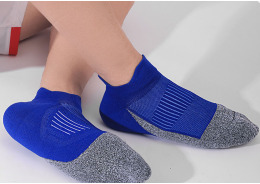
Camouflage hiking socks tailored for running and fitness blend aesthetic appeal with purposeful design choices to cater to diverse movement needs. These socks often prioritize snug fits that prevent slipping and bunching, crucial for maintaining comfort during dynamic activities. The use of cotton and nylon in custom wool socks and custom knit socks ensures a lightweight yet durable fabric that flexes with the foot’s natural movements. Additional reinforcement in high-friction zones such as heels and toes guards against wear, while breathable mesh panels promote airflow, keeping the feet cool and balanced. The camo pattern itself supports outdoor integration but also adds a unique style for fitness enthusiasts eager to stand out without forsaking function. Furthermore, elasticity in the cuffs prevents reduction in blood circulation while securing the socks in place, an advantage during intensive workouts or trail runs. Through such thoughtful adaptations, these camouflage socks serve as a multifaceted choice, equally suited for rugged terrain and fast-paced fitness routines.
The connection between the natural comfort of cotton combined with the strength of nylon and polyester, enhanced by jacquard knitting and mindful design, shapes the experience that custom wool socks and custom knit socks deliver to outdoor sports lovers. This balance between comfort, durability, and customization creates a reliable foundation for a variety of fitness and hiking pursuits, evolving with the user’s active lifestyle. The adaptability of these socks hints at ongoing relevance in a world where both performance fabrics and personalized style matter deeply.
References
- 3 Pairs Outdoor Sports Camouflage Hiking Running Socks Test Sample – Customizable hiking socks blending cotton, nylon, and polyester for durability and comfort.
- Why You Shouldn’t Wear Cotton Socks for Hiking - What You Should Wear Instead – Discusses the drawbacks of cotton socks and recommends suitable alternatives for hiking.
- Why Cotton Socks Aren't Good For Hiking – Explores the disadvantages of cotton socks and suggests better fabric choices for hiking.
- How to pick the right hiking socks for you – Provides guidance on selecting appropriate hiking socks based on material and design.
- Merino Wool vs. Other Sock Materials – Darn Tough – Compares merino wool with other materials like nylon and cotton in sock manufacturing.