
 English
 German
 French
 Russian
 Spanish
 Japanese
 Korean
 Portuguese
 Ukrainian
 Arabic
 Italian
Why People with Diabetes Need Specialized Socks
Diabetic feet face unique challenges,and regular socks are often not enough.Here's why:
1.Reduced Sensation (Neuropathy)
Nerve damage can make it hard to feel blisters,rubbing,heat,or small injuries.A tiny unnoticed blister can turn into a serious problem if left untreated.
2.Poor Circulation
Diabetes may narrow or stiffen the blood vessels in the legs and feet,slowing healing and increasing the risk of ulcers.
3.Dry,Fragile Skin
Damage to sweat glands often causes dryness and cracking,which easily become entry points for bacteria.
4.Higher Risk of Infection
Weakened immunity plus unnoticed injuries = a dangerous combination.
Because of these risks,socks designed for diabetics aren't just a "comfort upgrade." They are a preventive health tool.
What Diabetic Socks Are Designed to Do
The best diabetic socks support foot health in several ways:
✔ Seamless Construction
No seams = no friction points.This helps prevent blisters,irritation,or pressure on sensitive skin.
✔ Moisture-Wicking Fabrics
Keeping feet dry is essential.Materials like Coolmax,bamboo blends,or technical polyester move sweat away from the skin to reduce fungal and bacterial growth.
✔ Soft Cushioning
Extra padding on the heel,toe,or sole helps relieve pressure and protect delicate skin.
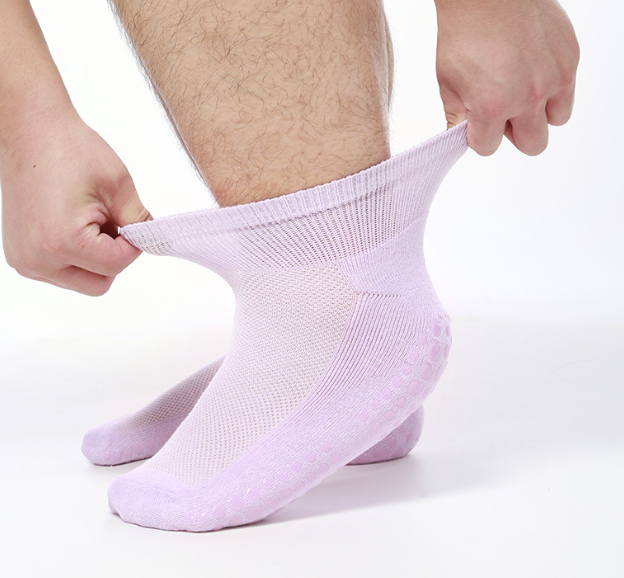
✔ Non-Binding Tops
Loose-but-supportive cuffs keep socks from cutting off circulation—a common problem with regular socks.
✔ Light Compression Options
Some diabetic socks offer gentle,medically safe compression to help reduce swelling and improve circulation.(They're not the same as medical-grade compression stockings.)
✔ Antibacterial / Odor Control Fibers
Silver ion yarns,bamboo charcoal,and copper-infused materials help minimize bacteria and odor.
✔ Temperature Regulation
Some diabetic socks use wool or advanced fibers to help maintain warmth—important because cold feet can worsen circulation problems.
How to Choose the Right Diabetic Socks
When shopping for diabetic socks,keep these factors in mind:
1.Material
Choose breathable,moisture-wicking fibers:
• Bamboo
• Cotton blends
• Merino wool
• Technical synthetics (Coolmax,DryFit)
Avoid rough or thick seams that cause pressure.
2.Seam-Free or Flat-Toe Design
A must-have to prevent friction and rubbing.
3.Cushioning Where Needed
Look for soft padding in the heel and forefoot to protect high-pressure areas.
4.Non-Binding Tops
The cuff should stay up without squeezing.
5.Antibacterial Properties
Helps reduce odor and infection risk—especially helpful for sweaty or active feet.
6.Height
Choose based on your footwear and activity:
No-show,ankle,crew,or over-the-calf—each can work depending on your needs.
7.Color Matters
Light-colored socks help you notice bleeding or discharge quickly.
Who Should Wear Diabetic Socks?
These socks are especially beneficial if you have:
• Diabetic neuropathy
• Poor circulation
• Swelling in the feet or ankles
• Very dry or easily irritated skin
• High activity levels (walking,running,long work days)
Even active individuals can benefit from diabetic sports socks,which combine moisture-wicking performance with protective features.
Tips to Extend the Life of Diabetic Socks
• Wash after each use to maintain hygiene.
• Use gentle cycles and mild detergents to preserve elasticity.
• Air-dry instead of using high heat,which damages fibers.
• Replace when stretched,worn,or thinning,as they lose their protective benefits.
Regular socks can cause rubbing,moisture buildup,or circulation problems.Diabetic socks are engineered to prevent exactly those issues.
Why Custom Diabetic Socks Are Becoming Popular
Brands,clinics,and sportswear companies increasingly order custom diabetic socks because they can tailor:
• Cushion zones
• Compression levels
• Seamless structures
• Antibacterial yarns
• Breathability and moisture control
• Branding or medical labeling
For clinics,wellness brands,and retailers,OEM diabetic socks offer the ability to create high-quality,purpose-built products for specific customer needs.
The right diabetic socks can dramatically improve comfort,protection,and long-term foot health for people with diabetes.They're not just accessories—they're part of a smart,preventive foot-care strategy.
By choosing socks that are seamless,moisture-wicking,cushioned,and non-binding,you reduce the risk of blisters,infections,and serious complications.
If you're managing diabetes—whether you're active,working long hours,or simply want safer everyday comfort—investing in specialized diabetic socks is one of the simplest and most effective steps you can take.