
 English
 German
 French
 Russian
 Spanish
 Japanese
 Korean
 Portuguese
 Ukrainian
 Arabic
 Italian
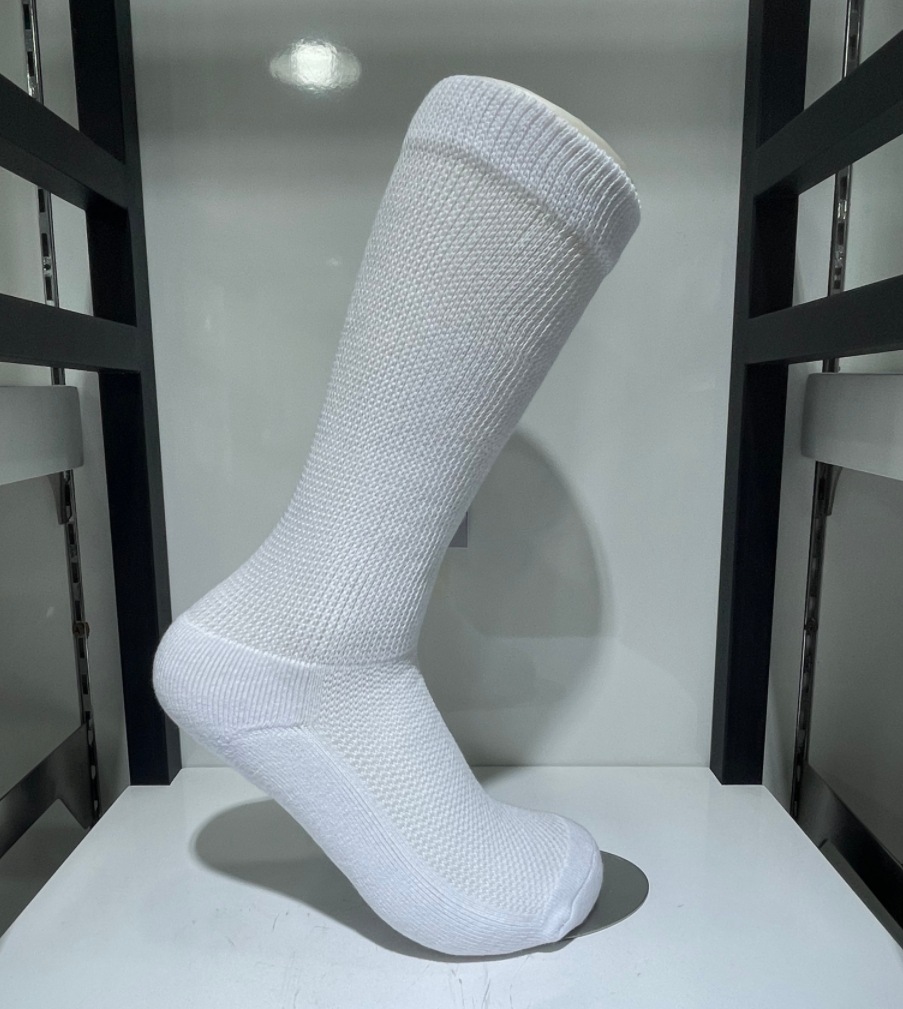
Why Diabetics Need Special Socks
Regular socks often fall short for people with diabetes.Common problems include:
• Thick seams that rub and cause blisters.
• Tight cuffs that restrict blood flow.
• Non-breathable fabrics that trap moisture and increase infection risk.
• Poor fit that creates pressure points.
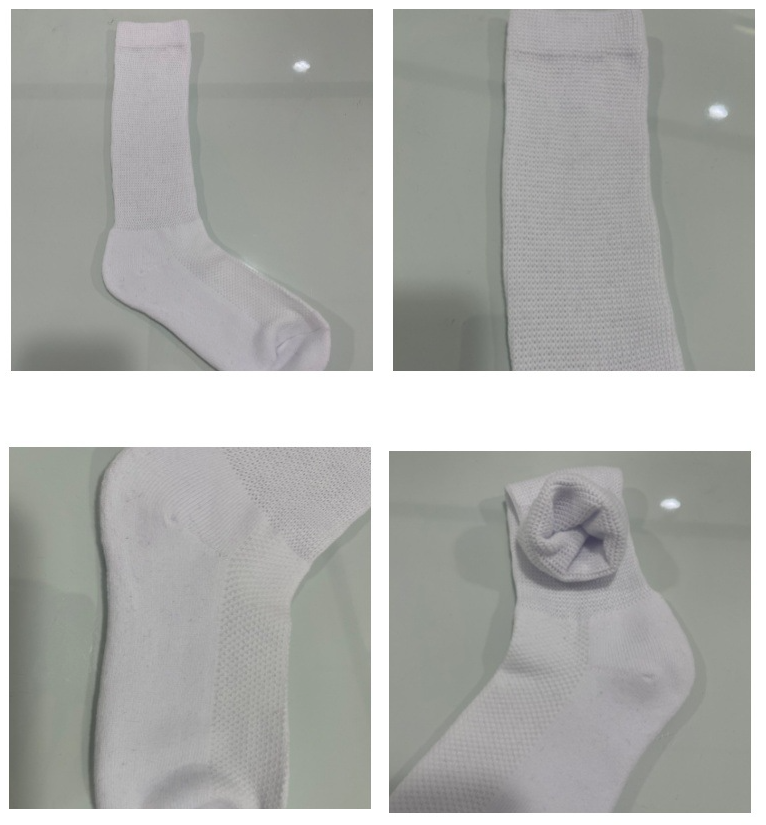
Diabetic socks are specifically designed to address these concerns—prioritizing softness,breathability,and a no-rub fit.
Key Features to Look For
• Seamless Toes – Eliminates friction in sensitive areas to prevent blisters.
• Non-Binding Tops – Gentle grip that won't leave marks or restrict circulation.
• Moisture-Wicking Fabrics – Materials like Merino wool,bamboo fiber,or advanced synthetics keep feet dry and reduce fungal growth.
• Soft & Breathable – Prevents overheating and irritation.
• Extra Cushioning – Adds shock absorption to protect against foot injuries.
• Antimicrobial Fibers – Silver or copper threads help prevent bacteria build-up.
Best Materials for Diabetic Socks
• Merino Wool – Soft,itch-free,temperature-regulating,and excellent at wicking moisture.
• Bamboo Fiber – Naturally antibacterial and gentle on sensitive skin.
• Polyester Blends – Durable,quick-drying,and moisture-resistant.
Daily Care Tips
• Change socks daily to keep feet fresh and dry.
• Inspect socks before wearing—look for worn seams or damage.
• Wash in warm (not hot) water with mild detergent.
• Pair with properly fitted diabetic shoes for maximum protection.
The best socks for diabetics are seamless,non-restrictive,moisture-wicking,breathable,cushioned,and antibacterial.They're not just an accessory—they're an essential part of preventing injuries and protecting your long-term health.
Your feet carry you through life—give them the care they deserve.